Views: 3542 Author: LONGMU Publish Time: 2026-01-27 Origin: LongMu Breeding Equipment


In modern poultry farming, optimizing water supply systems is a game-changer for boosting efficiency, bird health, and profitability. Nipple drinkers have emerged as a superior alternative to traditional water troughs, offering unparalleled advantages from water conservation to disease prevention. This guide delves into why upgrading to nipple drinkers is a wise investment, how such devices can revolutionize your daily operations, and provides step-by-step installation tips to ensure seamless integration and optimal performance of your nipple drinkers.
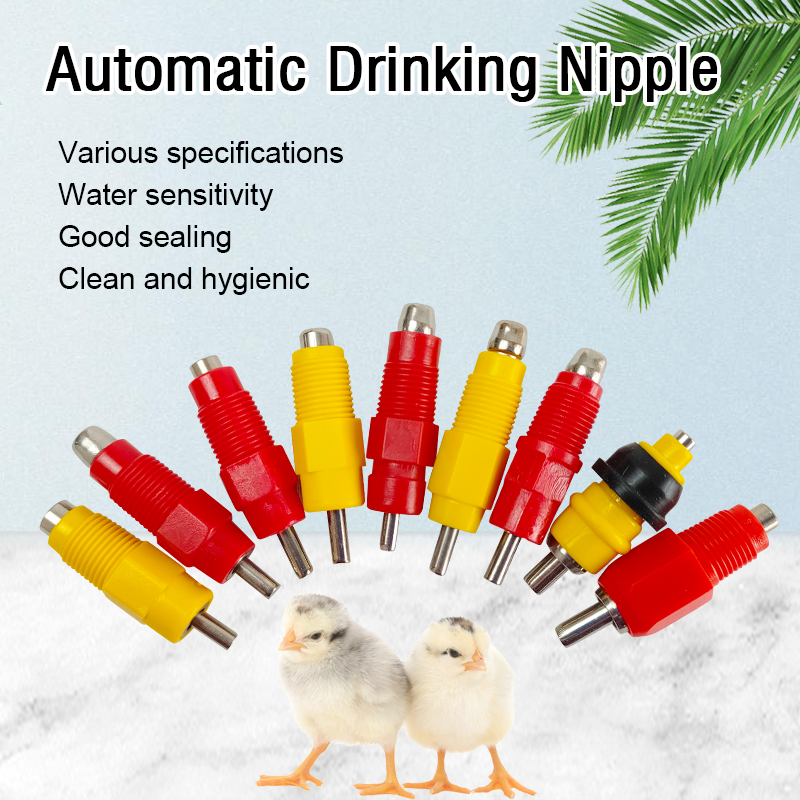
Why Nipple Drinkers Outperform Traditional Systems
The benefits of nipple drinkers extend far beyond basic hydration. Designed to address core pain points of poultry farmers, nipple drinkers transform your poultry operation through their unique features, as outlined below:
Enhanced Biosecurity & Cost Savings: Nipple drinkers effectively eliminate water contamination from feces, feed, or debris— a common flaw in open troughs that triggers intestinal diseases and higher mortality. Studies confirm flocks using nipple drinker systems cut medication costs by 30-40% due to reduced disease incidence, making this equipment a cost-effective choice. |
Maximized Water Efficiency: Nipple drinkers reduce water waste by up to 80% compared to traditional methods, lowering utility bills and keeping litter dry. Unlike open troughs, they deliver water on-demand to avoid unnecessary spillage. Dry litter minimizes footpad dermatitis in broilers and ammonia emissions, fostering a healthier poultry environment with nipple drinkers. |
Improved Growth & Productivity: Nipple drinkers ensure consistent water access (critical for the 2L water : 1kg feed ratio) to boost feed conversion ratios (FCR) and weight gain. High-flow nipple drinker models support heavy-weight broilers reaching 4kg+ to meet market demands, with their robust design reducing maintenance workload for all farm sizes. |
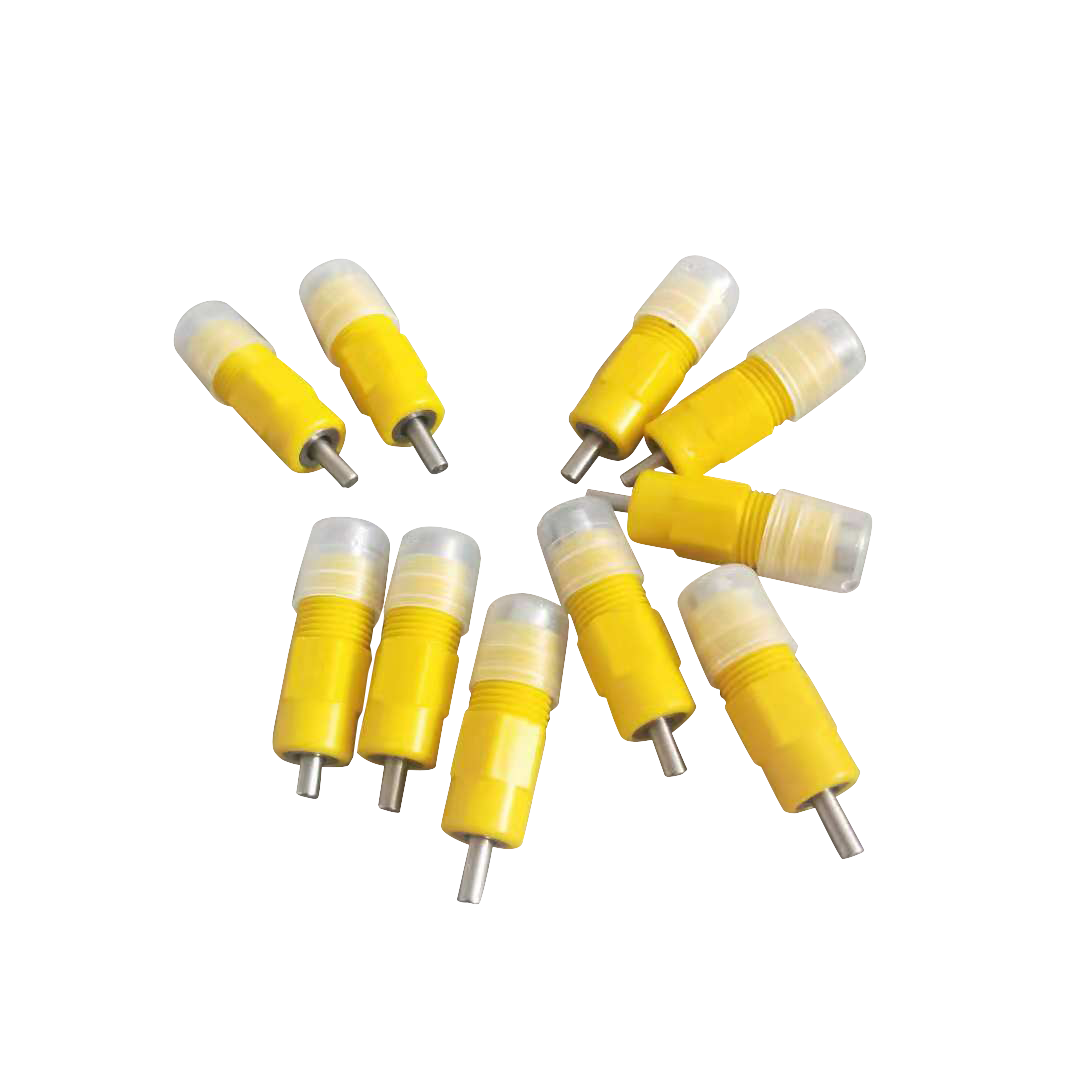
Step-by-Step Installation Guide
Proper installation is key to unlocking the full potential of nipple drinkers. Follow these evidence-based steps for seamless setup:
1. Pre-Installation Preparation
Select nipple drinkers based on poultry type and scale—quality options tailored to your flock’s needs ensure long-term reliability. For broilers, choose adjustable-flow nipple drinkers (Plasson recommends 10-12 broilers per orange/yellow nipple drinker and 12-14 per grey one with a tray). Ensure a clean water source, install a 50-micron filter on the main line to prevent clogs in the nipple drinkers, and flush the entire line thoroughly 1 day prior to remove sediment or residual chemicals that could damage them.
2. Pipe Sizing and Layout
Use PVC pipes for main (1.5-inch diameter, serving up to 1,000 birds) and branch lines (1-inch diameter). Layout for uniform water pressure: Run the main line along the poultry house length, with branch lines perpendicular. Maintain a 1-2 mm/m slope in all lines to facilitate flushing and prevent water stagnation.
3. Mounting the Drinker Line
Suspend branch lines with aluminum profiles at bird-appropriate heights, as the position of nipple drinkers directly impacts bird access. Place them 5-7 cm above day-old chicks’ backs (adjust gradually as they grow), and position nipple drinkers at shoulder height for adults to encourage natural drinking. Space nipple drinkers evenly: 15-20 cm apart for broilers and 25-30 cm for layers. Keep lines level to avoid uneven water flow from them.
4. Pressure Regulation
Install a pressure regulator at the main line start (critical for flow control):
• Day-old chicks: 0.1-0.2 bar (50-60 ml/min flow)
• Adult broilers: 0.2-0.3 bar (80-90 ml/min flow)
Avoid high pressure (>0.5 bar, causes spillage/wet litter) or low pressure (inadequate hydration/stunted growth), as both can compromise the performance of nipple drinkers. Use metering pins (if supported by your nipple drinkers) to fine-tune flow rates for optimal operation.
5. Post-Installation Testing
1. Test each nipple drinker by pressing the trigger—water should flow steadily without dripping.
2. Flush lines for 1-2 minutes to remove air bubbles/debris.
3. Monitor flock drinking behavior for 24 hours; adjust line height/pressure if birds struggle to access water.
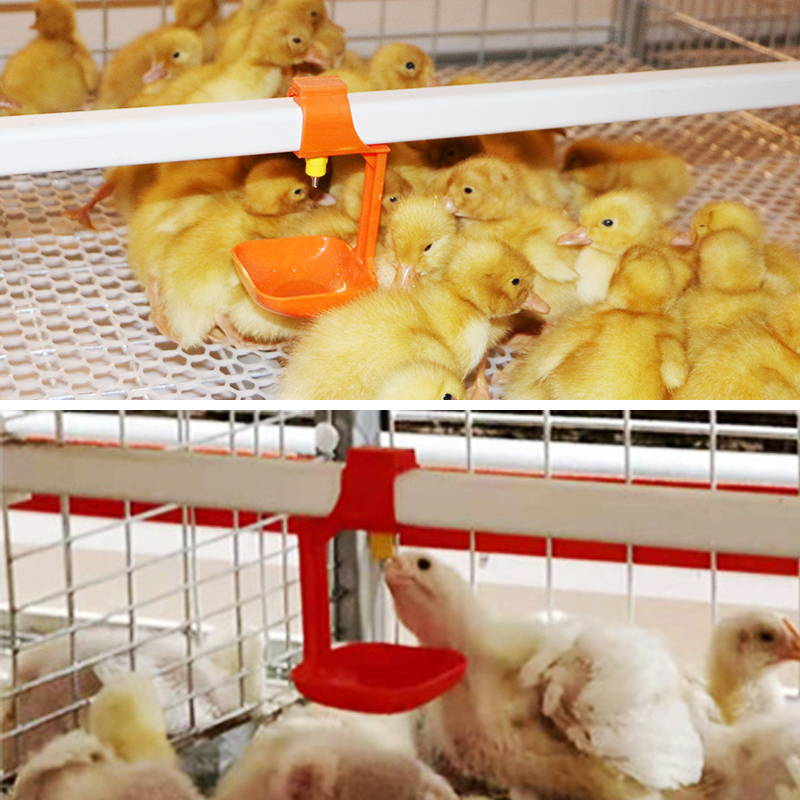
Maintenance Tips for Long-Term Performance ofNipple Drinkers
• Flush lines twice daily (1 minute per 100 feet) in summer to keep water cool and prevent biofilm.
• Clean filters weekly and inspect nipples monthly for clogs/leaks—replace damaged parts immediately.
• In hot climates: Upgrade to high-flow nipple drinkers to meet increased water demand and maintain bird comfort, as these are engineered for extreme conditions.
Upgrading to nipple drinkers is more than an equipment change; it’s a strategic investment in your farm’s sustainability and profitability. They not only enhance operational efficiency but also reduce long-term costs. By following these guidelines, you’ll build a cleaner, more efficient environment that nurtures healthier, heavier birds and cuts operational costs—whether raising broilers, layers, or heavy-weight poultry—all thanks to well-installed and maintained nipple drinkers.